
Fuse Energy is extending its business from supplying electricity into selling access to AI computing. The British company has opened reservations for Fuse Compute, a planned service offering single-tenant Nvidia GPU nodes in UK data centres. In David Cendon Garcia’s report for EU-Startups, the first capacity is expected in December 2026. Fuse’s own product page lists later phases in 2027 and beyond, and says delivery dates are subject to change, with terms agreed per contract.
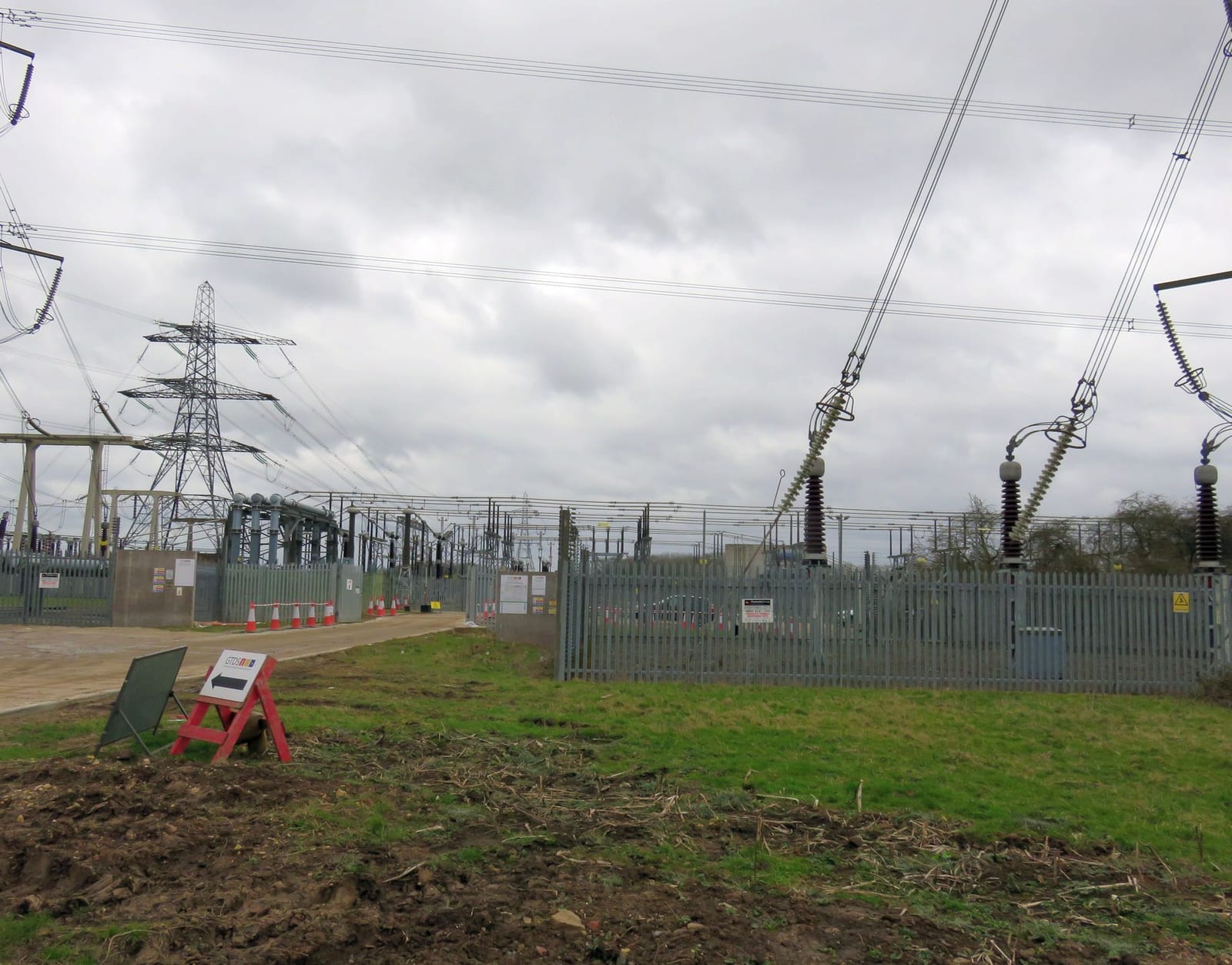
The move connects two parts of the AI infrastructure problem. Training and running models requires both specialised processors and large, dependable supplies of electricity. Fuse argues that its experience in energy and power development can help it secure infrastructure. It lists 15 projects totalling 142 megawatts in a “near-term development pipeline”. That is a prospective portfolio, not power already connected to data centres or computing capacity ready for customers.
A pipeline is not a data centre
There is also an unresolved difference in the first capacity announcement. EU-Startups reports 128 Nvidia B300 GPUs for December; Fuse’s current page lists 192. The discrepancy may reflect a change in plans or different snapshots, but neither source explains it. The exact initial count should therefore be treated as unsettled. Fuse’s page also labels the listed timetable “subject to change”.
Reservations indicate that customers can register interest and seek capacity; they do not establish that a facility is built, energised or fully booked. The company says it will provide bare-metal, single-tenant nodes and UK jurisdiction for data and operations. Those attributes may appeal to customers with location or control requirements, but the page supplies no confirmed pricing or independent performance results. Neither source demonstrates lower emissions per computation.
Power access is a material challenge for data centres, but being an energy supplier does not by itself resolve land, planning, grid connections, construction, cooling, equipment procurement or commissioning. Fuse’s strategy is to bring several of those pieces under one company’s control. Whether that reduces delays or costs will depend on projects being completed and operating at the announced scale.
The test is delivery
Fuse’s pitch is notable because it treats electricity as part of the computing product rather than a background utility. If it can reliably bring power and GPUs together, that could offer UK-based customers another source of capacity. If a project slips or its available chips differ from initial plans, the same vertical integration will not have removed the bottleneck.
The next evidence is operational: a site connected to the grid, equipment installed, service available on clear terms and customers able to run workloads. Until those milestones arrive, the 142 MW figure describes ambition. The December date is a company schedule, not a completed launch.