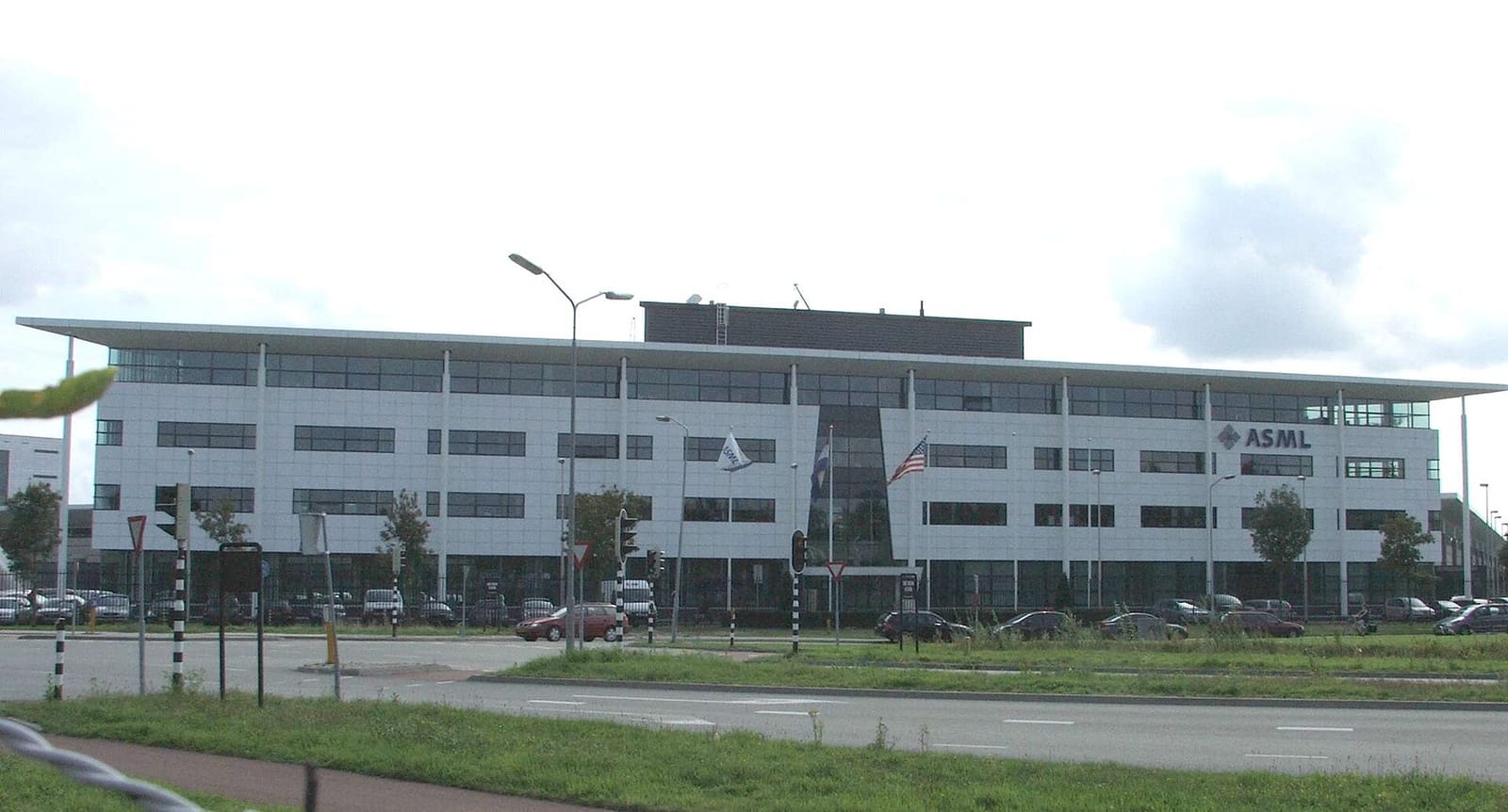
The AI investment boom is producing a distinctly physical problem in Veldhoven. ASML says the machines it currently plans to manufacture in 2027 and 2028 will be insufficient to meet customers’ demand.
In its third-quarter results, published on 14 October, the Dutch chipmaking-equipment supplier reported sales of €11.7 billion and net income of €5 billion. Management put expected full-year sales at €44 billion to €45 billion. These are different kinds of numbers: the first describe a completed quarter, while the latter remains guidance.
Chief executive Christophe Fouquet said customers were raising their equipment forecasts as their expectations for AI investment increased. Some had expressed interest in ordering for 2029 or 2030. ASML is examining ways to expand 2028 capacity beyond the increase it previously discussed.
An upstream position
As Reuters correspondent Toby Sterling explains, ASML sells the machines chipmakers need to manufacture advanced processors. Demand for AI computing therefore reaches the Dutch company through the factories supplying the chips, rather than through a consumer AI subscription.
That position gives Europe a significant role in the international AI supply chain. It also means that growing demand is only part of the calculation. A manufacturer has to commit resources before it knows precisely how much capacity its customers will eventually use.
Interest in a machine several years ahead is not the same as a completed order, and an order is not yet recognised revenue. ASML’s own filing identifies cancellations, delays and the conversion of customer interest into orders among its risks. Expanding too slowly could restrict sales; expanding for demand that later weakens would create a different problem.
A market shaped by politics
ASML’s access to customers is also subject to decisions made outside the company. In separate reporting by Sterling on 14 October, chief financial officer Roger Dassen opposed a US congressional proposal to restrict sales of DUV lithography equipment to China. He argued it could accelerate Chinese development of competing technology.

That is the company’s argument about a proposed measure. It does not establish either that the proposal will become law or that its predicted consequences will follow. It does illustrate why a buoyant demand forecast cannot be read independently of export policy.
For Europe, ASML’s results show the value of an established industrial strength during the AI boom. They also place a limit on the idea that a strong position guarantees a smooth expansion. Delivery capacity, customer spending and permission to serve particular markets remain separate tests.